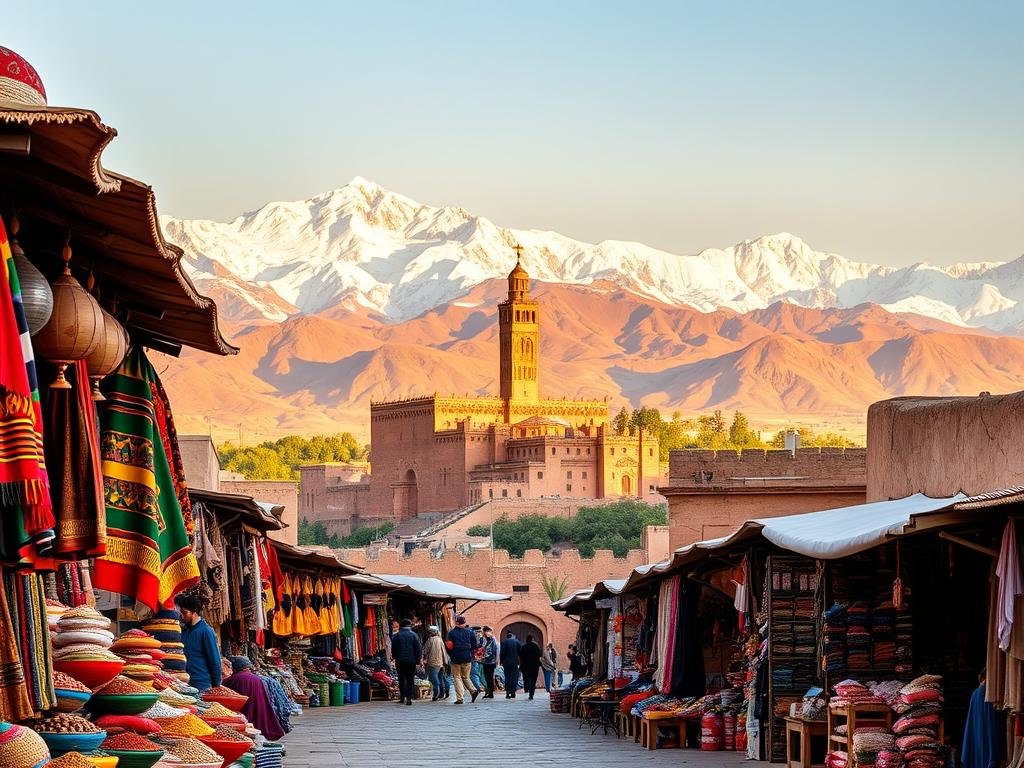
Discover the Best Places to Visit in Morocco.
Morocco, a country with a rich cultural heritage and diverse landscapes, is a fascinating destination for travelers. From the bustling streets of Marrakech to the serene beaches of Essaouira, Morocco’s unique blend of Arab, Berber, and French influences makes it an exciting place to explore.
With its vibrant cities, stunning natural beauty, and historic landmarks, Morocco has something to offer for every kind of traveler. Whether you’re looking for a relaxing getaway or an action-packed adventure, this Morocco travel guide will help you discover the best experiences that this captivating country has to offer.
Key Takeaways
- Explore Morocco’s vibrant cities, including Marrakech and Fez
- Discover the country’s stunning natural beauty, from beaches to mountains
- Visit historic landmarks, such as the Bahia Palace and Koutoubia Mosque
- Experience Morocco’s unique cultural heritage, including its cuisine and traditions
- Get insider tips on the best times to visit and how to get around
Morocco: A Land of Diverse Wonders
Morocco’s diverse geography and cultural heritage make it a captivating country to explore. With a history that spans centuries, Morocco has developed a unique cultural identity that is reflected in its cultural landmarks and historic sites.
A Brief History of Morocco’s Cultural Heritage
Morocco’s cultural heritage is a rich tapestry of Arab, Berber, and Mediterranean influences. The country’s history dates back to the ancient Roman era, with significant contributions from the Islamic period. As
“Morocco is a country where the ancient and modern coexist in harmony.”
This blend of cultures is evident in its architecture, cuisine, and traditions.
Geographic Diversity: From Coast to Mountains to Desert
Morocco’s geography is characterized by its diverse landscapes, ranging from the Atlantic coastline to the Atlas Mountains and the Sahara Desert. This diversity offers a wide range of experiences for visitors, from relaxing on coastal beaches to trekking in the mountains and exploring the desert dunes.
The country’s varied geography has also led to the development of distinct regional cultures, each with its unique customs and traditions.
Best Places to Visit in Morocco: An Overview
With its rich history and diverse geography, Morocco is a treasure trove of travel experiences. The country’s unique blend of Arab, Berber, and French influences is reflected in its vibrant cities, ancient medinas, and stunning natural landscapes.
Popular Tourist Routes Across the Country
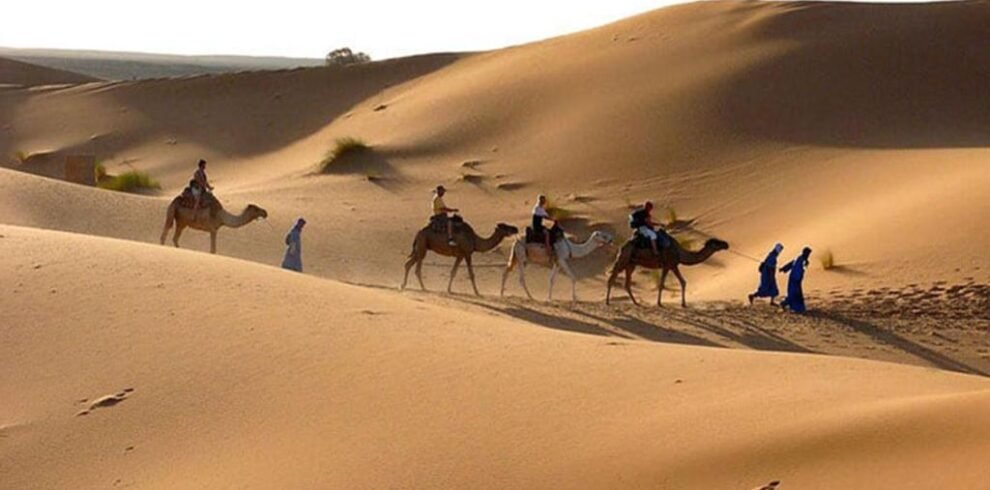
Morocco’s popular tourist routes offer a mix of culture, history, and adventure. The most traveled routes include the journey from Marrakech to Fez, exploring the ancient medinas and historical sites along the way. Another favorite route is from Marrakech to the Sahara Desert, where travelers can experience the tranquility of the dunes and enjoy camel treks.
The top destinations in Morocco also include a visit to the Atlas Mountains, where trekking and hiking opportunities abound. Visitors can explore Berber villages and enjoy the breathtaking scenery.
| Route | Highlights | Duration |
|---|---|---|
| Marrakech to Fez | Ancient medinas, historical sites | 3-4 days |
| Marrakech to Sahara Desert | Camel treks, desert camping | 4-5 days |
| Atlas Mountains | Trekking, Berber villages | 2-3 days |
When to Visit Different Regions
The best time to visit Morocco varies by region. The travel spots in Morocco are generally accessible year-round, but the climate differs significantly between the north and south. The spring (March to May) and autumn (September to November) are considered the best times to visit, with mild temperatures and fewer crowds.
The summer months can be very hot, especially in the desert regions, while winters can be cool in the mountains. Understanding the climate and planning accordingly is key to enjoying the popular tourist sites in Morocco.
Marrakech: The Red City of Enchantment
Marrakech, known as the Red City, is a vibrant destination that enchants visitors with its rich history and cultural heritage. This city is a treasure trove of experiences, from its bustling squares to its serene gardens.
Exploring the Vibrant Jemaa el-Fnaa Square
Jemaa el-Fnaa Square is the heartbeat of Marrakech, offering a sensory overload of sights, sounds, and smells. Visitors can enjoy street food, watch traditional performers, and soak up the lively atmosphere.
Must-Visit Palaces and Gardens
Marrakech is home to numerous historical palaces and gardens that showcase its architectural and cultural splendor.
Bahia Palace and El Badi Palace
The Bahia Palace is renowned for its intricate craftsmanship, while the El Badi Palace, though in ruins, still impresses with its grandeur.
Majorelle Garden and Menara Gardens
The Majorelle Garden, with its vibrant blue architecture, and the Menara Gardens, with its olive groves, offer serene escapes from the city’s bustle.
Shopping in the Medina’s Labyrinthine Souks
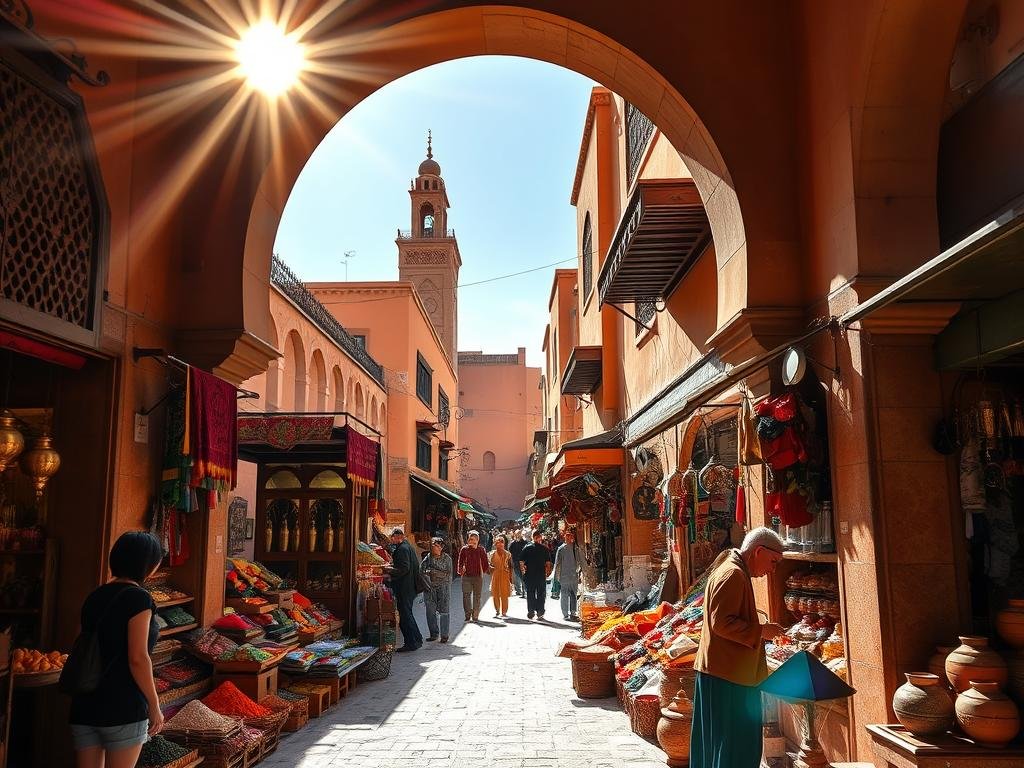
The medina’s souks are a shopper’s paradise, offering a wide range of goods from spices and textiles to handicrafts. Visitors can explore the narrow alleys, discovering unique items and experiencing the local culture.
Fez: Morocco’s Cultural and Spiritual Heart
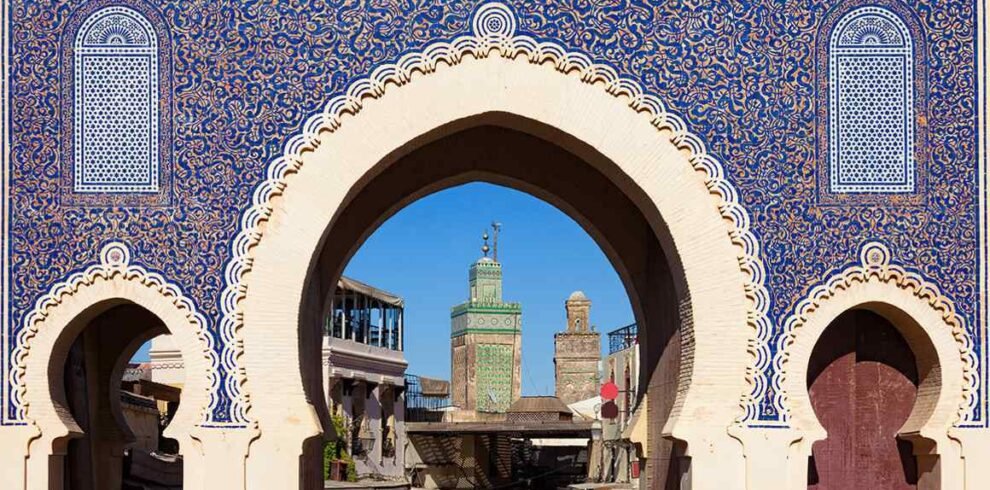
Fez, a city steeped in history, stands as Morocco’s cultural and spiritual beacon. With its ancient architecture, vibrant souks, and significant historical sites, Fez is a must-visit destination for anyone interested in historic sites in Morocco and cultural landmarks in Morocco. This city is a treasure trove of experiences that make it an essential part of any Morocco travel guide.
Navigating the Ancient Fez Medina
The ancient Fez Medina, a UNESCO World Heritage site, is a labyrinth of narrow streets and alleys filled with historical significance. Visitors can get lost in its charming passages, discovering hidden gems and experiencing the authentic culture of Fez. The medina is home to numerous historic sites in Morocco, including ancient mosques and madrasas.
Historical Madrasas and Mosques
Fez is renowned for its historical madrasas and mosques, which are significant cultural landmarks in Morocco. These architectural marvels showcase the city’s rich spiritual heritage.
Bou Inania Madrasa
Bou Inania Madrasa is one of the most famous madrasas in Fez, known for its intricate architecture and historical significance. It is a prime example of historic sites in Morocco that attract visitors from around the world.
Al-Qarawiyyin Mosque and University
The Al-Qarawiyyin Mosque and University is another significant landmark in Fez, recognized as one of the oldest universities in the world. It is a testament to the city’s status as a cultural landmark in Morocco and a center of learning.
The Famous Tanneries of Fez
The tanneries of Fez are famous for their traditional leather production methods, which have been in use for centuries. Visitors can witness the fascinating process and even purchase high-quality leather goods, making it a unique experience for those following a Morocco travel guide.
Chefchaouen: The Blue Pearl of Morocco
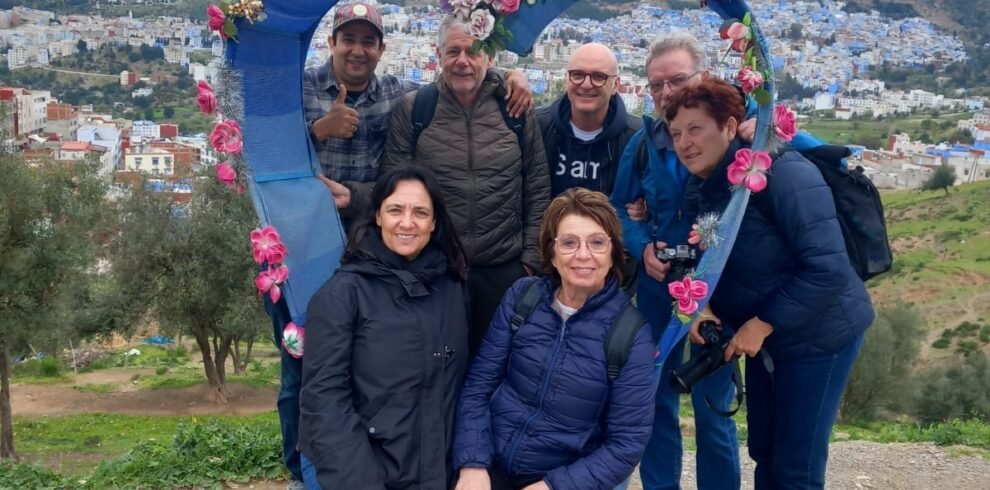
Chefchaououen, a quaint town in northern Morocco, is famous for its blue-painted houses and relaxed atmosphere. This charming town, nestled in the Rif Mountains, has become a popular destination for travelers seeking a tranquil retreat.
The Story Behind the Blue-Washed Buildings
The tradition of painting buildings blue in Chefchaouen is believed to have started in the 1930s. One theory is that the blue color was introduced by Jewish refugees from Spain, who brought with them their cultural and religious traditions. The blue color has since become a defining feature of the town, creating a visually stunning and unique landscape.
Hiking Opportunities in the Rif Mountains
Chefchaouen is not only a visual treat but also a hiker’s paradise. The surrounding Rif Mountains offer numerous trails for all levels, from leisurely strolls to more challenging hikes. Visitors can explore the natural beauty of the region, enjoying scenic views and encountering local wildlife.
For those looking for a more adventurous experience, guided hikes are available, providing insight into the local flora, fauna, and cultural heritage.
Casablanca: Morocco’s Modern Metropolis
With its rich history and contemporary charm, Casablanca is a must-visit destination in Morocco. This bustling city is not only the economic hub of the country but also a treasure trove of cultural landmarks and modern attractions.
The Magnificent Hassan II Mosque
One of Casablanca’s most iconic landmarks is the Hassan II Mosque, a masterpiece of Moroccan architecture. This grand mosque, with its intricate tile work and towering minaret, is one of the few mosques in Morocco open to non-Muslim visitors, offering a glimpse into the country’s rich spiritual heritage.
“The Hassan II Mosque is a testament to the craftsmanship and devotion of the Moroccan people.”
Contemporary Urban Attractions
Casablanca is also known for its modern urban attractions, which reflect the city’s dynamic and cosmopolitan character.
Mohammed V Square and the Old Medina
The historic Mohammed V Square is surrounded by beautiful examples of French colonial architecture, while the adjacent Old Medina offers a glimpse into the city’s past with its narrow streets and traditional souks.
Corniche and Ain Diab Beach
Casablanca’s Corniche is a popular destination for both locals and tourists, featuring the beautiful Ain Diab Beach and a variety of cafes and restaurants along the seafront.
| Attraction | Description |
|---|---|
| Hassan II Mosque | Iconic mosque with intricate tile work and a towering minaret |
| Mohammed V Square | Historic square with French colonial architecture |
| Ain Diab Beach | Popular beach along Casablanca’s Corniche |
The Sahara Desert: Unforgettable Desert Experiences
The Sahara Desert is one of Morocco’s most breathtaking natural wonders, offering an array of unforgettable experiences. As the world’s largest hot desert, it covers a significant portion of North Africa, including a large part of Morocco. The allure of the Sahara lies in its vast expanses of sand dunes, the Erg Chebbi and Erg Chigaga being the most notable.
Merzouga and the Erg Chebbi Dunes
Merzouga is a small village on the edge of the Erg Chebbi dunes, offering a gateway to the Sahara Desert. Visitors can enjoy camel treks across the dunes, watching the sunset over the vast desert landscape. The Erg Chebbi dunes rise to over 150 meters, creating a dramatic and breathtaking scenery. If you’d like to experience it yourself, our 3-day desert tour to Merzouga covers the dunes, a camel trek, and a night in a desert camp without eating up your whole itinerary.
Zagora and the Draa Valley
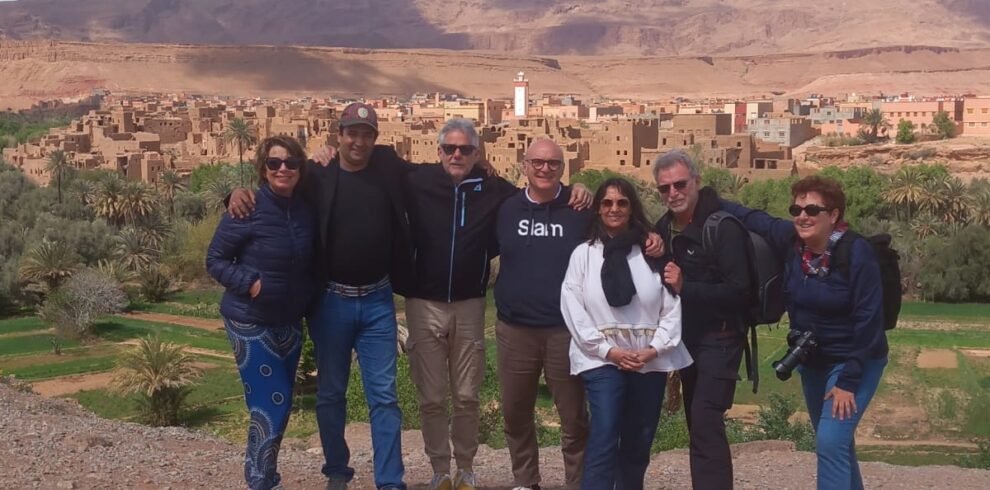
Zagora, another key destination in the Sahara region, is known for its picturesque oasis and the Draa Valley. The valley is famous for its date palm groves and traditional Berber villages. Travelers can explore the valley by car or on foot, taking in the serene beauty and rich cultural heritage of the area.
Camel Treks and Desert Camping
One of the most memorable experiences in the Sahara Desert is a camel trek, where travelers ride camels across the dunes, often camping under the stars. Desert camping allows visitors to immerse themselves in the tranquility of the desert, enjoying traditional Moroccan cuisine and hospitality.
The Sahara Desert offers a unique and unforgettable experience for travelers to Morocco, with its majestic landscapes, rich cultural heritage, and warm hospitality.
Atlas Mountains: Trekking Through Breathtaking Landscapes
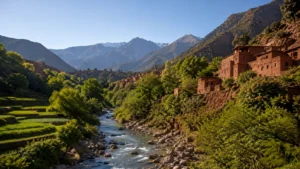
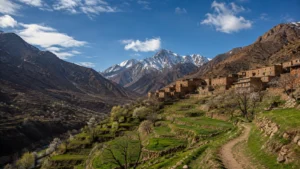
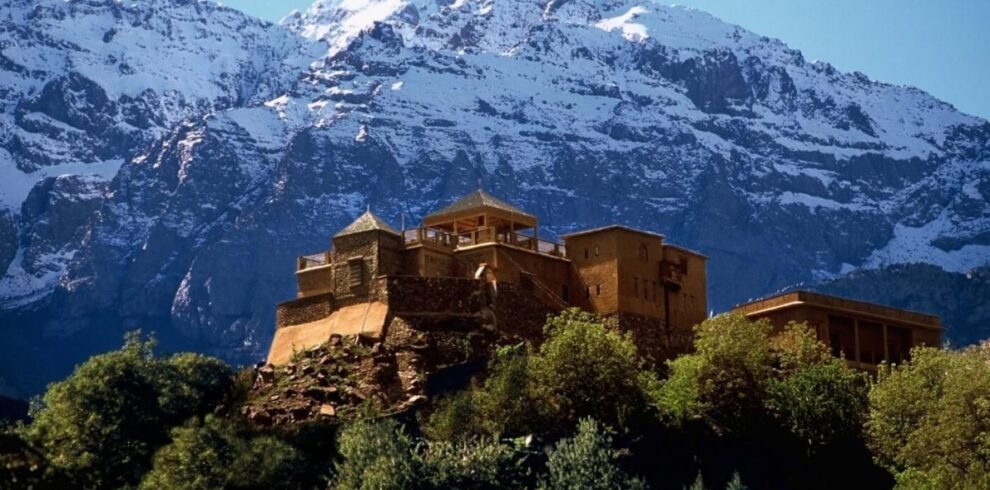
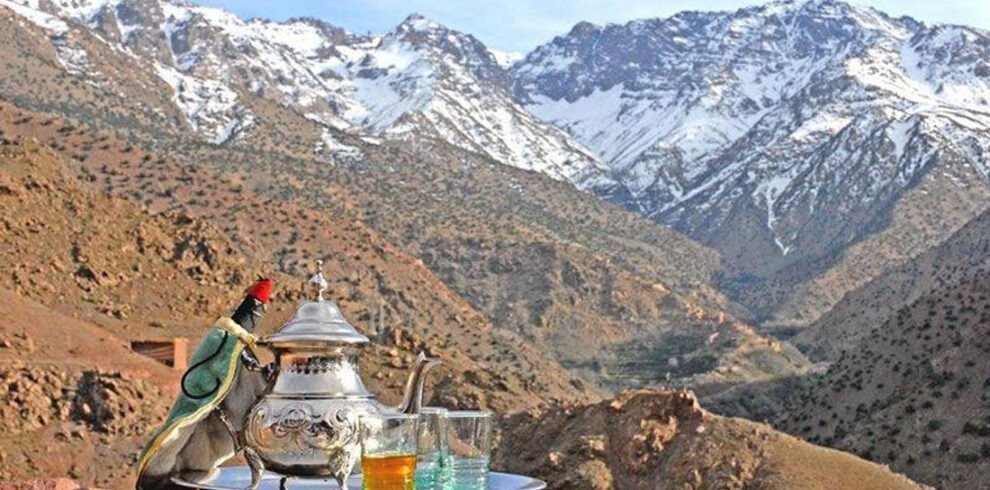
Morocco’s Atlas Mountains are a haven for hikers and cultural enthusiasts alike, providing unforgettable experiences. The region is characterized by its rugged terrain, picturesque valleys, and traditional Berber villages.
Toubkal National Park and Summit Hikes
Toubkal National Park is a highlight of the Atlas Mountains, offering challenging hikes and the opportunity to summit Morocco’s highest peak, Jbel Toubkal. The park is known for its diverse flora and fauna, as well as its stunning mountain vistas.
Berber Villages and Cultural Experiences
The Atlas Mountains are home to numerous Berber villages, where visitors can experience traditional culture and hospitality. Imlil and Ourika Valley are particularly popular destinations, offering insights into Berber life and cuisine.
Imlil and the High Atlas
Imlil is a charming village that serves as a gateway to the High Atlas mountains. It offers various trekking routes and is a hub for local guides and gear rental.
Ourika Valley
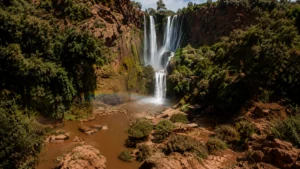
The Ourika Valley is known for its picturesque landscapes and traditional Berber communities. Visitors can enjoy hiking, explore local markets, and experience the warm hospitality of the Berber people.
The Atlas Mountains offer a unique blend of natural beauty and cultural richness, making them a must-visit destination in Morocco.
Essaouira: The Windy City by the Atlantic
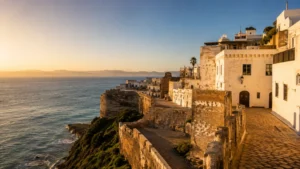
Essaouira, a gem on Morocco’s coast, is celebrated for its historic medina, bustling port, and exciting water sports. This charming city offers a unique blend of traditional Moroccan culture and modern attractions, making it a must-visit destination.
The Historic Medina and Port
The historic medina of Essaouira is a labyrinth of narrow streets and alleys, filled with vibrant markets and historic landmarks. The city’s fortifications, including the Skalla de la Ville, offer breathtaking views of the Atlantic Ocean. Visitors can explore the bustling port, where they can see fishermen unloading their daily catch and purchase fresh seafood.
| Attraction | Description |
|---|---|
| Skalla de la Ville | A historic fortification with stunning ocean views |
| Essaouira Medina | A vibrant area filled with markets and historic sites |
| Essaouira Port | A bustling hub for fishing and seafood |
Water Sports and Beach Activities
Essaouira is renowned for its excellent conditions for water sports, including windsurfing and kiteboarding. The city’s wide sandy beaches are perfect for sunbathing, swimming, and relaxing. Visitors can also take a leisurely stroll along the beach promenade, enjoying the sea views and local cuisine.
The combination of historic charm and modern recreational activities makes Essaouira a top destination in Morocco, appealing to a wide range of travelers.
Hidden Gems of Morocco
Beyond the bustling cities, Morocco holds a treasure trove of hidden gems waiting to be discovered. While popular destinations like Marrakech and Fez attract millions, there are numerous lesser-known locales that offer a unique and authentic Moroccan experience. These hidden gems are steeped in history, culture, and natural beauty, making them must-see places in Morocco for the discerning traveler.
Asilah: The Artistic Coastal Town
Asilah, a charming coastal town north of Rabat, is renowned for its vibrant art scene and murals that adorn its walls. This picturesque town hosts an annual cultural festival that attracts artists and visitors from around the world. Asilah’s historic sites, including its 15th-century fortifications, offer a glimpse into its rich past.
Tafraoute and the Anti-Atlas Region
Tafraoute, nestled in the Anti-Atlas mountains, is a hidden gem known for its stunning natural beauty and unique granite rock formations. The region is dotted with traditional Berber villages, offering insights into the local culture. Visitors can enjoy hiking, rock climbing, and exploring the picturesque valleys.
Moulay Idriss and the Roman Ruins of Volubilis
Moulay Idriss, a sacred town, is home to an important historic site and pilgrimage center. Nearby, the Roman ruins of Volubilis, a UNESCO World Heritage Site, boast some of the best-preserved Roman mosaics in the world. These cultural landmarks in Morocco are a testament to the country’s rich historical heritage.
Exploring these hidden gems provides a deeper understanding of Morocco’s diverse culture, history, and natural landscapes. They are truly among the must-see places in Morocco for any traveler seeking an authentic experience.
Practical Travel Tips for Exploring Morocco
To make the most of your journey through Morocco, it’s essential to know the best ways to get around, where to stay, and how to navigate cultural norms. Morocco is a country that seamlessly blends traditional and modern ways of life, and being prepared will enhance your travel experience.
Transportation Options Around the Country
Morocco has a well-developed transportation network that includes trains, buses, and taxis. The train system is efficient for long-distance travel, connecting major cities like Marrakech, Fez, and Casablanca. For shorter distances or more rural areas, grands taxis (shared taxis) and buses are convenient options. Renting a car can also be a good choice for those who prefer to travel at their own pace.
Accommodation Choices from Riads to Luxury Hotels
From traditional riads to modern luxury hotels, Morocco offers a wide range of accommodation options to suit every taste and budget. Riads, with their characteristic inner gardens and intricate decor, provide an authentic Moroccan experience, especially in Marrakech. Luxury hotels, on the other hand, offer comfort and amenities in major cities and resort towns.
Cultural Etiquette and Safety Considerations
Understanding and respecting local customs is crucial when traveling in Morocco. Dressing modestly, especially when visiting mosques or rural areas, is advised. Additionally, being aware of your surroundings and keeping valuables secure will help ensure a safe trip. Morocco is generally a safe country for tourists, but taking normal precautions is always wise.
Conclusion: The Timeless Appeal of Morocco
Morocco is a land of diverse wonders, offering a wide range of experiences that cater to different interests and preferences. From the vibrant cities of Marrakech and Fez to the serene landscapes of the Atlas Mountains and the Sahara Desert, the best places to visit in Morocco are as varied as they are breathtaking.
The country’s rich cultural heritage is reflected in its Moroccan attractions, including historical madrasas, mosques, and palaces. Visitors can explore the labyrinthine souks, experience the local cuisine, and relax on the beautiful beaches of Essaouira.
Cultural landmarks in Morocco, such as the Hassan II Mosque in Casablanca and the ancient city of Volubilis, provide a glimpse into the country’s fascinating history. With its unique blend of Arab, Berber, and French influences, Morocco is a destination that will leave travelers with unforgettable memories.
Whether you’re interested in history, culture, or adventure, Morocco has something to offer. Its timeless appeal lies in its ability to surprise and enchant visitors, making it a must-visit destination for any traveler.
FAQ
What are the best places to visit in Morocco?
Morocco has a plethora of exciting destinations, including Marrakech, Fez, Chefchaouen, Casablanca, the Sahara Desert, and the Atlas Mountains, each offering unique cultural, historical, and natural experiences.
What is the best time to visit Morocco?
The best time to visit Morocco depends on the region. Spring (March to May) and autumn (September to November) are generally ideal for most areas, while the Sahara Desert is best visited during the cooler months, and the mountains are best in spring and summer.
How do I get around Morocco?
Morocco has a well-developed transportation network, including trains, buses, and taxis. Visitors can also rent cars or hire private drivers for more flexibility. Domestic flights are available for longer distances.
What are some must-try Moroccan dishes?
Moroccan cuisine is rich and diverse, with popular dishes including tagine, couscous, harira (a hearty soup), and pastilla (a savory pie). Don’t forget to try some local pastries and mint tea.
What are some cultural etiquette tips for visiting Morocco?
Morocco is a conservative country. Visitors should dress modestly, remove their shoes when entering mosques or homes, and be respectful of local customs and traditions. Learning a few basic Arabic phrases can also go a long way in showing respect.
Is Morocco safe for tourists?
Generally, Morocco is considered safe for tourists, with low crime rates compared to other countries. However, visitors should still take normal precautions to protect themselves and their belongings, especially in crowded areas.
Can I use credit cards and ATMs in Morocco?
Major credit cards are accepted in larger cities and tourist areas, and ATMs are widely available. However, it’s a good idea to have some local currency, dirhams, for smaller purchases and when traveling to more rural areas.
What are some popular Moroccan attractions?
Some of the top Moroccan attractions include the vibrant Jemaa el-Fnaa Square in Marrakech, the ancient medina of Fez, the blue-washed buildings of Chefchaouen, the Hassan II Mosque in Casablanca, and the breathtaking landscapes of the Sahara Desert and the Atlas Mountains.