📅 Published: July 2026 | ⏱ 14 min read | 🗓️ Complete Planning Guide | 👤 Morocco All Desert Tours — Local Guides
Best Time to Visit Morocco: The Real Month-by-Month, Region-by-Region Guide
What actually changes by season — not just “spring and autumn are nice”
Every guide to the best time to visit Morocco agrees on the same headline: spring and autumn. That part is settled and true. What’s missing from almost all of them is what actually matters for planning the best time to visit Morocco for your specific trip — which region is best in which month, an honest call on the worst time to go, and how crowds and prices actually shift through the year. This guide gives you the decision tools, not just the headline.
Quick Answer: Best Time to Visit Morocco
The best time to visit Morocco overall is spring (mid-March to May) or autumn (September to November), when temperatures across the country’s cities, mountains, and desert are comfortably warm without extreme heat or cold. Summer (June–August) suits the Atlantic coast but is genuinely harsh in the Sahara and southern cities. Winter (December–February) works well for mountain visits and is the cheapest, quietest season, though desert nights get cold.
In This Best Time to Visit Morocco Guide
📚 Related Guides
Morocco Itinerary 7 Days
Merzouga Morocco Guide
Zagora vs Merzouga
🗺️ Tours by City
📅 Ready to Book?
Whatever season you’re planning around, we’ll build the route to match.
See Our Morocco Tours →Mar–May
Best Overall Window
Sep–Nov
Second-Best Window
45°C+
Peak Sahara Summer Heat
4
Distinct Climate Zones
Best Time to Visit Morocco: The Quick Verdict by Season
| Season | Verdict | Why |
|---|---|---|
| Spring (Mar–May) | Best overall | Warm everywhere without extremes, green Atlas foothills, comfortable desert nights |
| Summer (Jun–Aug) | Good for the coast only | Essaouira and Tangier are excellent; the Sahara and interior cities get genuinely dangerous heat |
| Autumn (Sep–Nov) | Second-best overall | Similar comfort to spring, slightly drier, harvest season in the valleys |
| Winter (Dec–Feb) | Good for cities and desert days, cold at night | Cheapest, quietest season; mountain snow is beautiful but limits high-altitude routes |
Best Time to Visit Morocco by Region: The Decision Matrix
This is the table missing from almost every other guide — a single view of which region works best in which month, so you’re not cross-referencing four separate articles.
| Region | Best Months | Avoid | Why |
|---|---|---|---|
| Marrakech & Interior Cities | Mar–May, Oct–Nov | Jul–Aug | Summer heat regularly tops 40°C in the medina with little shade |
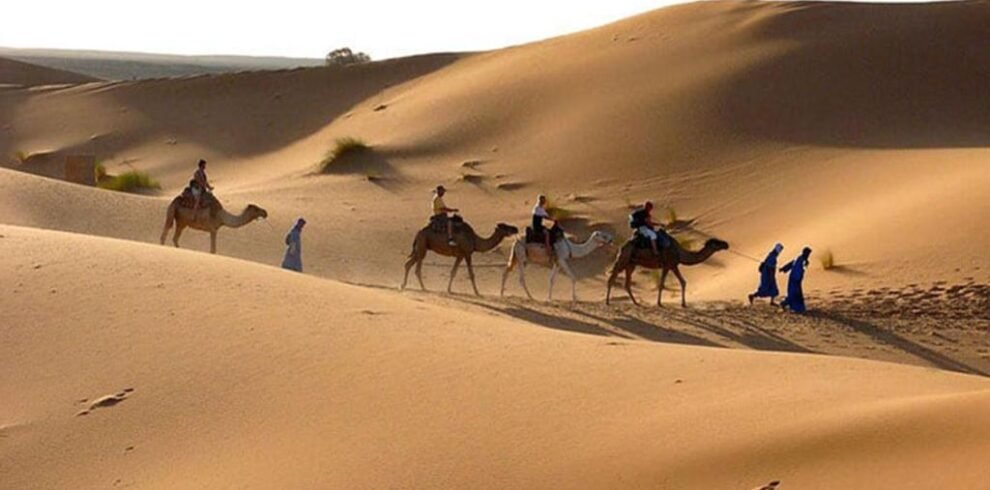
| Sahara Desert (Merzouga/Zagora) | Oct–Apr | Jun–Aug | Daytime desert heat becomes genuinely dangerous in summer; winter nights are cold but manageable with layers |
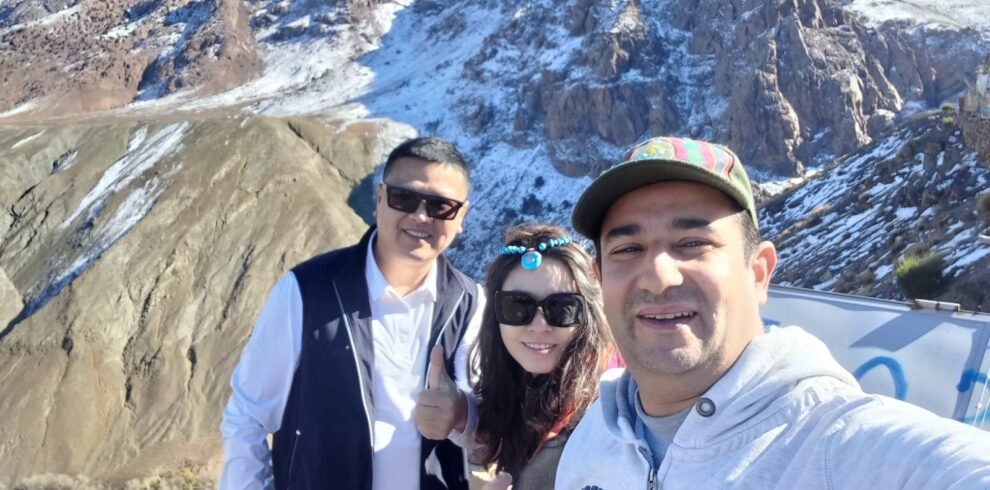
| High Atlas Mountains | May–Oct (hiking), Dec–Mar (snow) | Jan–Feb for high-altitude trekking | Snow closes high passes and trekking routes in deep winter |
| Atlantic Coast (Essaouira, Agadir) | Jun–Sep | Jan–Feb for swimming | Coastal breeze keeps summer comfortable; winter water is cold, though air stays mild |
| North (Chefchaouen, Tangier, Fes) | Apr–Jun, Sep–Oct | Dec–Feb for the Rif Mountains | The Rif region is noticeably damper and cooler than the south in winter |
Best Time to Visit Morocco: Month-by-Month Breakdown
| Month | Marrakech Temp | Sahara Days/Nights | Notes |
|---|---|---|---|
| Jan | 12–18°C | Mild days, near-freezing nights | Coldest, wettest month; quiet and cheap |
| Feb | 13–19°C | Mild, cold nights | Good for avoiding crowds, still chilly |
| Mar | 15–23°C | Warm days, cool nights | Spring begins; chilly nights persist, dust storms possible |
| Apr | 18–27°C | Warm, comfortable | Excellent all-around month; popular for Easter travel |
| May | 20–29°C | Warm, still comfortable at night | Last easy desert month before summer heat sets in |
| Jun | 24–34°C | Hot days, warm nights | Coast excellent; desert starting to get uncomfortable midday |
| Jul | 28–38°C+ | Very hot | ⚠️ Interior cities and desert genuinely harsh; coast still good |
| Aug | 28–39°C+ | Hottest month | ⚠️ Hottest month countrywide; desert daytime activity needs real precautions |
| Sep | 24–32°C | Warm, pleasant nights | Heat starts easing, still warm coast and desert |
| Oct | 20–29°C | Comfortable | One of the best all-around months |
| Nov | 15–23°C | Mild days, cool nights | Still good, cooling toward winter |
| Dec | 11–18°C | Cold nights | Festive season, sunny days, pack layers for evenings |
The Honest Worst Time to Visit Morocco
Most competing guides won’t say it plainly, so here it is: if your trip includes the Sahara Desert or interior cities like Marrakech and Fes, late July through August is genuinely the worst time to visit Morocco. Daytime temperatures regularly exceed 40°C in these regions, sightseeing outside early morning or evening becomes uncomfortable and occasionally risky, and desert excursions require serious heat precautions. This isn’t a reason to avoid Morocco entirely in summer — the Atlantic coast (Essaouira, Agadir, Tangier) genuinely shines in these months — but a Marrakech-and-Sahara-focused trip is simply better in almost any other month.
Visiting Morocco During Ramadan
Ramadan, the Islamic holy month of fasting, shifts about 11 days earlier each year on the Gregorian calendar — check an official Ramadan calendar for exact dates before finalizing your trip, since this affects the best time to visit Morocco planning for that specific year. During Ramadan, many restaurants and cafés outside hotels and tourist areas have altered hours or stay closed during daylight, and it’s respectful (and often required by local custom) to avoid eating, drinking, or smoking in public during fasting hours, even if you’re not fasting yourself. Morocco remains fully open to travelers throughout Ramadan — sites, hotels, and tours operate normally — but pack extra patience around meal timing and check current dates for your travel year before finalizing plans.
Best Time to Visit Morocco: Crowds & Prices Through the Year
| Period | Crowds | Riad/Hotel Prices |
|---|---|---|
| Mar–May, Sep–Nov (peak) | High — book 2+ months ahead | Highest of the year |
| Jun–Aug | Moderate inland, high on the coast | Moderate inland, high coastal |
| Dec–Feb | Lowest of the year | Lowest — often 20–30% cheaper than peak season |
Best Time to Visit Morocco: What to Pack by Season
- Spring & Autumn: Layers — warm days, cool evenings almost everywhere, especially in the Atlas foothills and desert.
- Summer: Lightweight, breathable clothing, strong sun protection, and a plan to avoid outdoor activity between 12pm–4pm in the interior and desert.
- Winter: A proper warm jacket for evenings and the mountains — desert and mountain nights get genuinely cold, even though days can be mild and sunny.
- Official travel advisories: Check current guidance year-round — the UK Foreign Office Morocco advisory or the U.S. State Department Morocco page.
Meet the Local Guides Behind This Best Time to Visit Morocco Guide
Brahim — Lead Guide & Content
Licensed Morocco tour guide, 7+ years running departures across every season, from midsummer coastal trips to winter desert crossings.
Our Driving Team
Drivers who plan routes around real seasonal conditions — mountain snow closures, summer heat timing, and desert night temperatures.
Client note: add real guide names, headshots, and license credentials here to complete the E-E-A-T signal.
Best Time to Visit Morocco: FAQ
What is the overall best time to visit Morocco?
Spring (mid-March to May) and autumn (September to November) are the best overall windows — warm, comfortable temperatures across cities, mountains, and desert, without the extreme summer heat or cold winter nights.
What is the worst time to visit Morocco?
Late July through August is the worst time for a Marrakech-and-Sahara-focused trip, with interior daytime temperatures regularly exceeding 40°C. The Atlantic coast remains excellent during these same months.
Is Morocco cold in winter?
Cities and the desert have mild, sunny days in winter, but nights get genuinely cold — near freezing in the Sahara and snow-covered in the High Atlas. Pack real layers if you’re traveling December through February.
Can I visit the Sahara Desert in summer?
Yes, but it requires real precautions — avoid the dunes between roughly 11am and 4pm, hydrate constantly, and expect daytime temperatures that can exceed 45°C in July and August.
Does Ramadan affect travel to Morocco?
Morocco stays fully open during Ramadan — sites, hotels, and tours run normally — but many local restaurants have altered hours, and it’s respectful to avoid eating or drinking in public during daylight fasting hours.
Key Takeaways: Best Time to Visit Morocco
- Spring (Mar–May) and autumn (Sep–Nov) are the best overall windows for most itineraries.
- The Atlantic coast is genuinely excellent in summer, even when the interior and desert are too hot for comfortable sightseeing.
- Late July–August is the honest worst time for a Marrakech-and-Sahara trip specifically.
- Winter (Dec–Feb) is the cheapest, quietest season — mild days, cold nights, and snow in the High Atlas.
- Ramadan doesn’t close Morocco to travelers, but it does change restaurant hours and daytime public etiquette.
Conclusion
There’s no single best time to visit Morocco — there’s a best time for the specific trip you’re planning. A desert-and-Marrakech loop wants spring or autumn; a coastal escape is genuinely at its best in summer; a quiet, budget-friendly city trip works well in winter. Match the season to the region you actually want to see, not the other way around, and Morocco rewards almost any month on the calendar. If you’d rather have local guides build the route around the season you’re traveling in, that’s exactly what we do year-round.
Explore More
Plan Your Trip Around the Right Season
Tell us your travel dates — we’ll build the route to match.
See our tours →