📅 Published: July 2026 | ⏱ 12 min read | 🎒 Complete Packing Checklist | 👤 Morocco All Desert Tours — Local Guides
Morocco Packing List: The Complete Checklist for Every Climate
Medina heat, desert nights, and Atlas Mountain cold — organized by zone, not just gender
Most versions of a Morocco packing list online are written for one traveler type — usually a solo woman doing a city-and-desert trip — and organized by outfit ideas rather than by what your actual route requires. This checklist is built differently: organized by the climate zones a typical Morocco trip actually crosses, with a clear men’s and women’s split where it matters, an honest “what not to bring” section, and a version tailored specifically to a desert overnight. For general cultural context beyond packing, the Moroccan National Tourist Office is a useful official reference.
Quick Answer: What to Put on Your Morocco Packing List
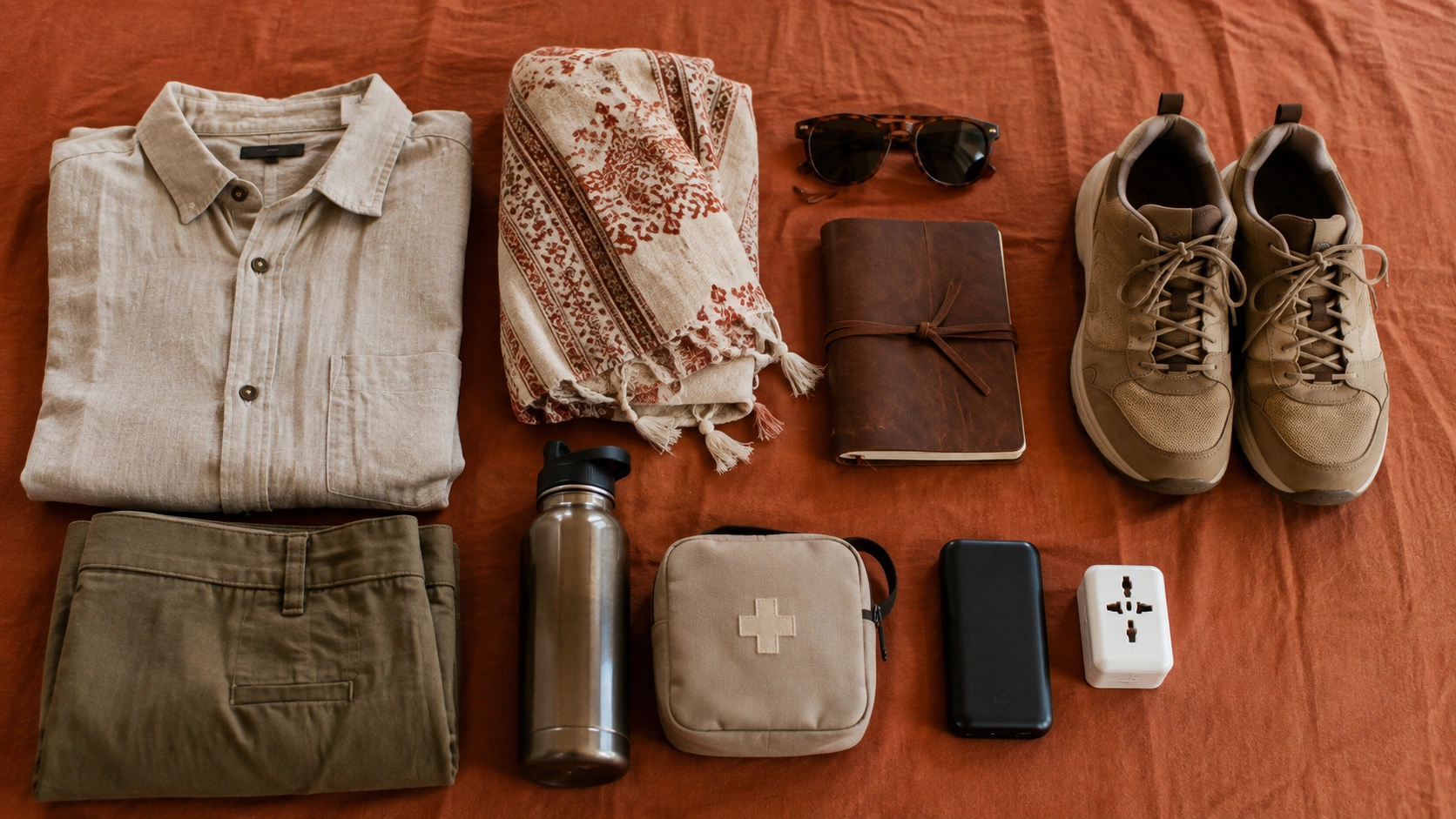
A complete Morocco packing list needs layers for at least three climate zones: lightweight, modest clothing for city medinas, a warm layer for cold desert and mountain nights (even in summer), and sun protection for both. Key non-clothing essentials include a headscarf or buff for the dunes, a reusable water bottle, a basic medical kit, a power bank, and a local eSIM for connectivity outside desert camps.
In This Morocco Packing List Guide
📚 Related Guides
Best Time to Visit Morocco
Merzouga Morocco Guide
Morocco Itinerary 7 Days
🗺️ Tours by City
3+
Climate Zones to Pack For
20°C+
Desert Day/Night Swing
23kg
Typical Checked Bag Limit
1
Small Duffel for Desert Camps
Understanding Morocco’s Dress Code (Before You Pack)
Morocco is a Muslim-majority country, and while Marrakech and Casablanca are relatively relaxed by regional standards, modest dress is respectful throughout — and it directly shapes what belongs on your Morocco packing list. For both men and women, this means covering shoulders and knees in most public settings, especially outside riad pools and beach towns. This isn’t strict enforcement so much as cultural courtesy — you’ll get a warmer reception, fewer stares, and honestly more comfortable sun protection by dressing this way anyway.
Morocco Packing List by Climate Zone
A typical multi-day Morocco trip crosses at least three, sometimes four, genuinely different climates — this is the single most common thing competing packing lists get wrong by treating “Morocco” as one climate.
| Zone | Conditions | What to Pack |
|---|---|---|
| Medina & cities (Marrakech, Fes) | Hot, dry, dusty; uneven cobblestones | Lightweight modest clothing, comfortable closed shoes, a scarf |
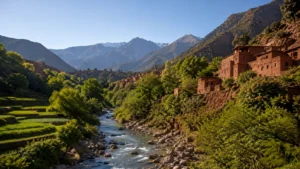
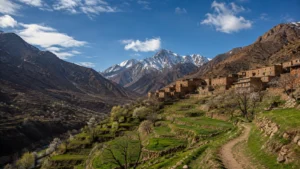
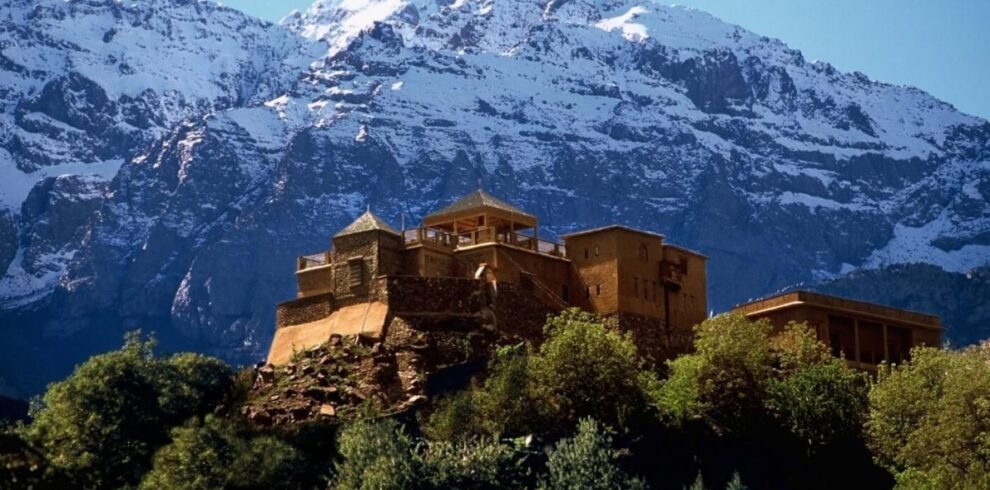
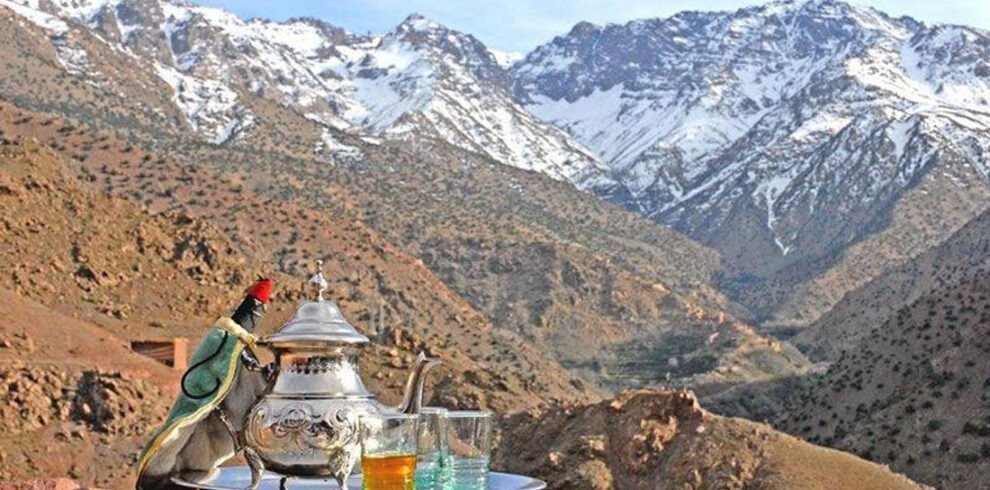
| High Atlas Mountains | Can be 10–15°C cooler than the plains, windy at altitude | A real windbreaker or fleece layer, even in summer |
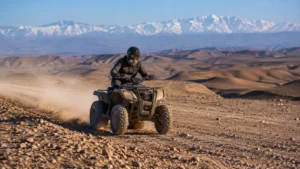
| Sahara Desert (Merzouga/Zagora) | Hot days, cold nights — 20°C+ swings even in warm months | Headscarf/buff, sunglasses, sunscreen, a genuine warm layer for night |
| Atlantic coast (Essaouira, Tangier) | Windy, cooler and damper than inland cities year-round | A light jacket even in summer — coastal wind is stronger than it looks in photos |
Full Clothing Checklist (Men & Women)
Most Morocco packing lists online skew almost entirely toward women’s fashion advice — here’s a balanced version for both.
- 4–6 lightweight, breathable tops that cover the shoulders (both genders)
- 2–3 pairs of loose, breathable pants or a long skirt/dress covering the knees
- 1 warm layer (fleece or light jacket) for mountain and desert nights
- 1 windbreaker or rain-resistant layer
- Comfortable closed walking shoes with real tread — cobblestones and dune sand both punish flimsy sandals
- Sandals for riad downtime and hammam visits
- A large scarf or pashmina — doubles as sun cover, mosque-appropriate head covering, and an extra warm layer at night
- Swimwear (fine for riad pools and beach towns, not for walking around town in)
- 1–2 nicer outfits for dinners out
- Sleepwear and basic underlayers for 7–10 days, planned around laundry access rather than packing everything new
Desert Overnight Essentials
If your Morocco packing list needs to cover a night in a Sahara desert camp, add these specifically — this is the section almost every competing list treats as an afterthought rather than its own category.
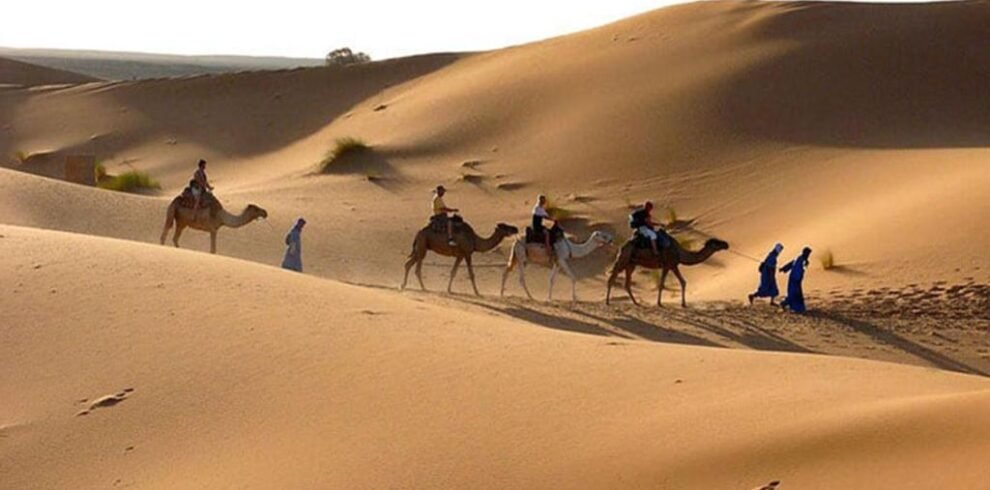
- Headscarf or buff — genuinely necessary for windy camel treks into the dunes, not just for photos.
- A real warm layer — desert nights regularly drop 20°C+ from the daytime high, even in warm months; a light jacket is not enough in winter.
- A small overnight duffel bag — most desert camps ask you to pack a separate small bag for the camel/vehicle transfer, leaving your main luggage at your previous hotel.
- A headlamp or small flashlight — desert camps have limited lighting after dark.
- Baby wipes or a small towel — showers at simpler camps can be basic or shared.
- A portable power bank — camps often run on generator power with limited charging access.
Morocco Packing List: Electronics, Documents & Health
| Category | Items |
|---|---|
| Documents | Passport (valid 6+ months), printed and digital copies of your itinerary and riad addresses in Arabic, travel insurance details, international driving permit if self-driving |
| Electronics | Universal adapter (Morocco uses Type C/E plugs, 230V), power bank, local eSIM or SIM card, offline maps downloaded in advance |
| Health | High-SPF sunscreen (can be pricier or harder to find locally), basic medical kit, any prescription medications in original packaging, hand sanitizer, rehydration salts for hot desert days |
| Money | A mix of cash (Moroccan dirham, hard to obtain outside the country) and cards — many riads and rural stops are cash-preferred |
Also check your government’s current guidance before finalizing your Morocco packing list — the UK Foreign Office Morocco advisory or the U.S. State Department Morocco page often flag document or entry requirement updates worth packing around.
What NOT to Put on Your Morocco Packing List
Just as important as what to bring — here’s what consistently ends up as dead weight or a cultural misstep on a Morocco trip.
- Revealing beachwear for city wear — fine at a riad pool, out of place walking through a medina.
- Heavy hardcover books or excess electronics — desert camps and rough roads punish bulky, fragile items.
- Military or camouflage-patterned clothing — restricted or frowned upon in several regions.
- Overly formal shoes — cobblestone medinas and sand make heels and stiff dress shoes impractical almost everywhere.
- A suitcase without wheels or a rigid hard-shell case for the desert leg — a soft duffel is far easier to load into 4x4s and onto camels for the camp transfer.
Morocco Packing List by Trip Type
| Trip Type | Add to Your Base Packing List |
|---|---|
| City-only (Marrakech/Fes, no desert) | Skip the desert-specific items above; add extra comfortable walking shoes for long medina days |
| Desert overnight — see our 7-Day Morocco Itinerary | Full desert essentials list above, plus a small overnight duffel |
| Multi-region 10+ days — see our 10-Day Morocco Itinerary | All of the above, plus a rain-resistant layer for the Chefchaouen/Rif Mountains region |
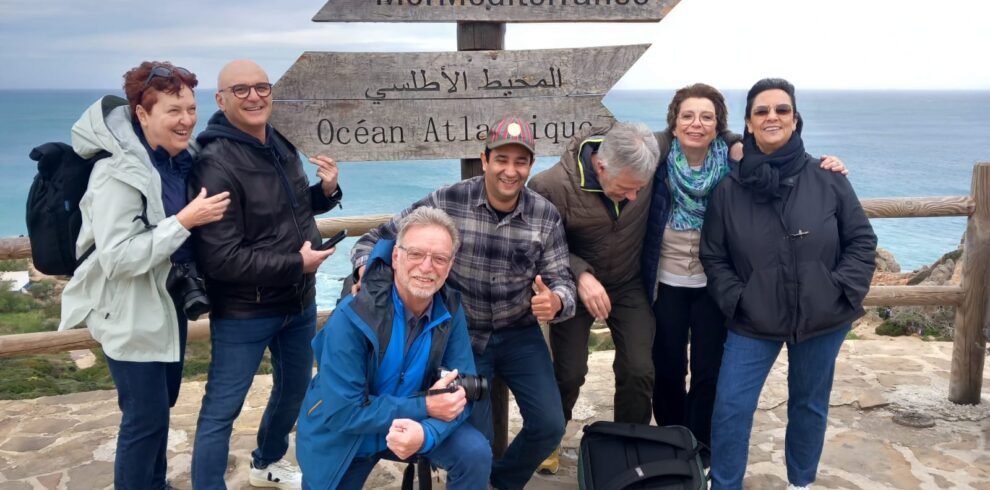
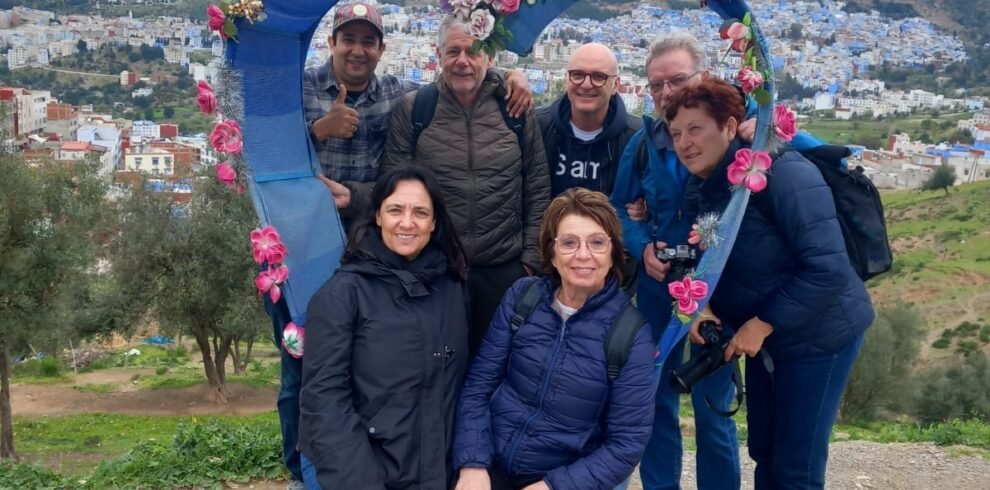
Meet the Local Guides Behind This Morocco Packing List
Brahim — Lead Guide & Content
Licensed Morocco tour guide, 7+ years watching what clients actually needed versus what they over-packed on Marrakech–Sahara departures.
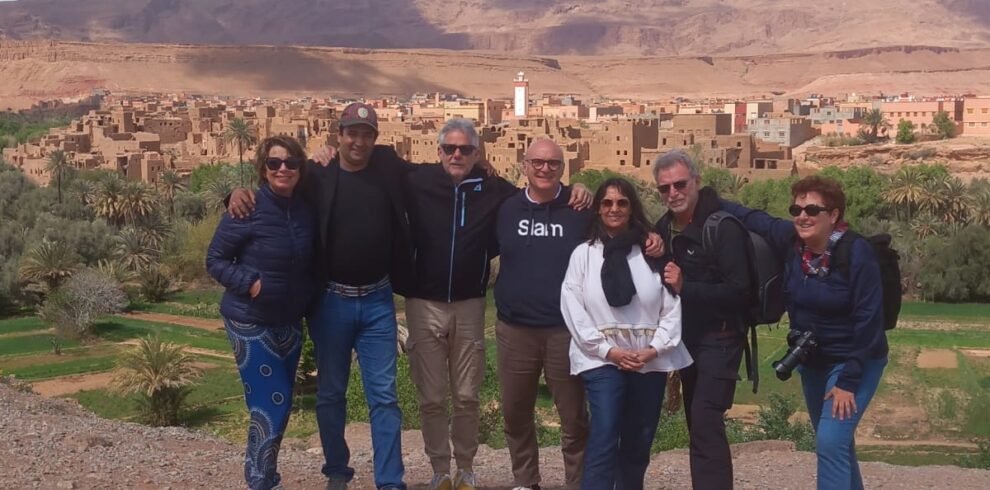
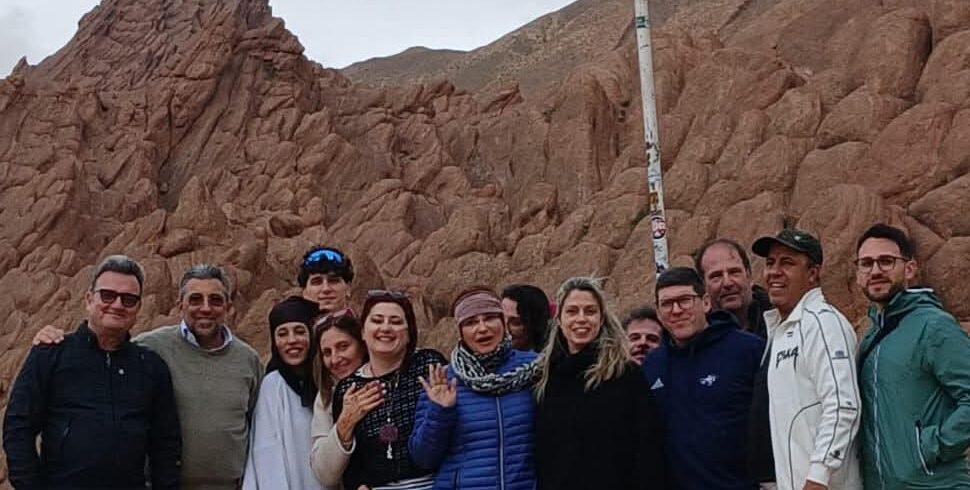
Our Desert Camp Team
The team that briefs every guest on exactly what to bring in their small overnight bag before the camel transfer.
Client note: add real guide names, headshots, and license credentials here to complete the E-E-A-T signal.
Morocco Packing List: FAQ
What should be at the top of every Morocco packing list?
Layers. A single “hot country” packing list fails in Morocco because the trip typically crosses hot medinas, cold mountain passes, and desert nights that can drop 20°C+ after sunset, sometimes all within a few days.
Do I need to cover my head in Morocco?
Not as a general rule, but a scarf is genuinely useful — for mosque courtyards where modesty is expected, for sun protection, and as a practical windbreak during a camel trek into the dunes.
Is it cold in the Sahara Desert at night?
Yes, even in warm months. Desert temperatures can swing more than 20°C between the daytime high and the overnight low, so a genuine warm layer belongs on every Morocco packing list that includes a desert camp night.
Can men wear shorts in Morocco?
Shorts are generally accepted in tourist areas and at riad pools, but knee-length or longer pants are more culturally comfortable in medinas, mosques, and smaller towns.
What type of luggage works best for a Morocco trip that includes the desert?
A soft duffel bag, or at minimum a smaller secondary bag for the desert leg — hard-shell suitcases are awkward to load into 4×4 vehicles and impossible to strap onto a camel for the camp transfer.
Key Takeaways: Morocco Packing List
- Pack for at least three climate zones — medina heat, mountain cold, and desert temperature swings — not one generic “hot country” list.
- A scarf, warm layer, and sunscreen are the three most-used items across nearly every Morocco itinerary.
- Desert overnights need their own mini-checklist: headscarf, warm layer, small duffel, headlamp, and power bank.
- Modest, breathable clothing works better than beachwear almost everywhere outside riad pools and coastal towns.
- Bring a soft duffel bag or secondary small bag for the desert camp leg — hard-shell suitcases don’t travel well by 4×4 or camel.
Conclusion
A good Morocco packing list isn’t about bringing more — it’s about bringing the right layer for the right zone, since the same week can genuinely take you from medina heat to mountain wind to desert cold and back. Pack modest, breathable basics, one real warm layer you won’t regret, and a small bag ready for the desert leg, and you’ll be better prepared than most travelers who over-research outfits and under-plan for the actual climate swings. If you’d rather have local guides tell you exactly what to bring for your specific route, that’s exactly the kind of detail we cover before every departure.
Explore More
Questions About What to Bring?
Ask a local guide anything about your specific itinerary.
Contact us →